

Last week, our editor dropped a video in our team's Slack channel.
Anthropic's Super Bowl ad. The message: "Ads are coming to AI. But not to Claude."
The video is genius. Anthropic just gave everyone a masterclass in how to win against a category leader.
Instead of differentiating on features, interface, model performance or "human” writing, Anthropic made a decision their competitors' economics won't allow. OpenAI can't say "we'll never run ads" without destroying their investor expectations.
But Anthropic can.
In today's newsletter: 10 examples of tech companies that differentiate themselves based on their business model, with examples of how they do marketing
Your competitors can copy that. They can hire better engineers and build more features.
But changing their business model? That's actually hard.
The strongest differentiation belongs to brands who find decisions their competitors' business models won't let them make.
Take IKEA. Their design, flat-packing products, and assembly pushed to the customer allowed lower prices competitors couldn’t match.
Low-cost airlines redesigned the airline model itself with single aircraft types, point-to-point routes, and no-frills service. Legacy carriers couldn’t just copy it.
But what about tech? Here are a few examples where marketing comes directly from the business model.
Category: Search engines
Google: Targeted ads based on user tracking
DuckDuckGo: Contextual ads, no personal data tracking
Message:
“We don’t track you.”
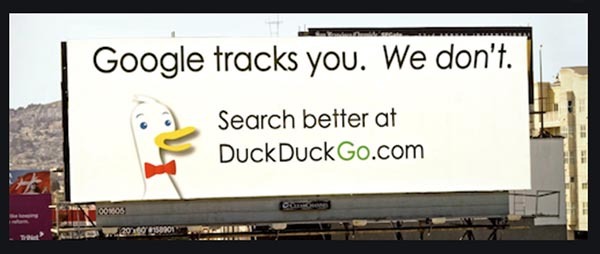
Billboard campaign: “Google tracks you. We don’t.”
Category: Messaging apps
WhatsApp: Ecosystem monetization, data integration, business messaging
Signal: Nonprofit foundation, no ads, no monetization of user data
Message:
“No ads. No trackers. No surveillance.”
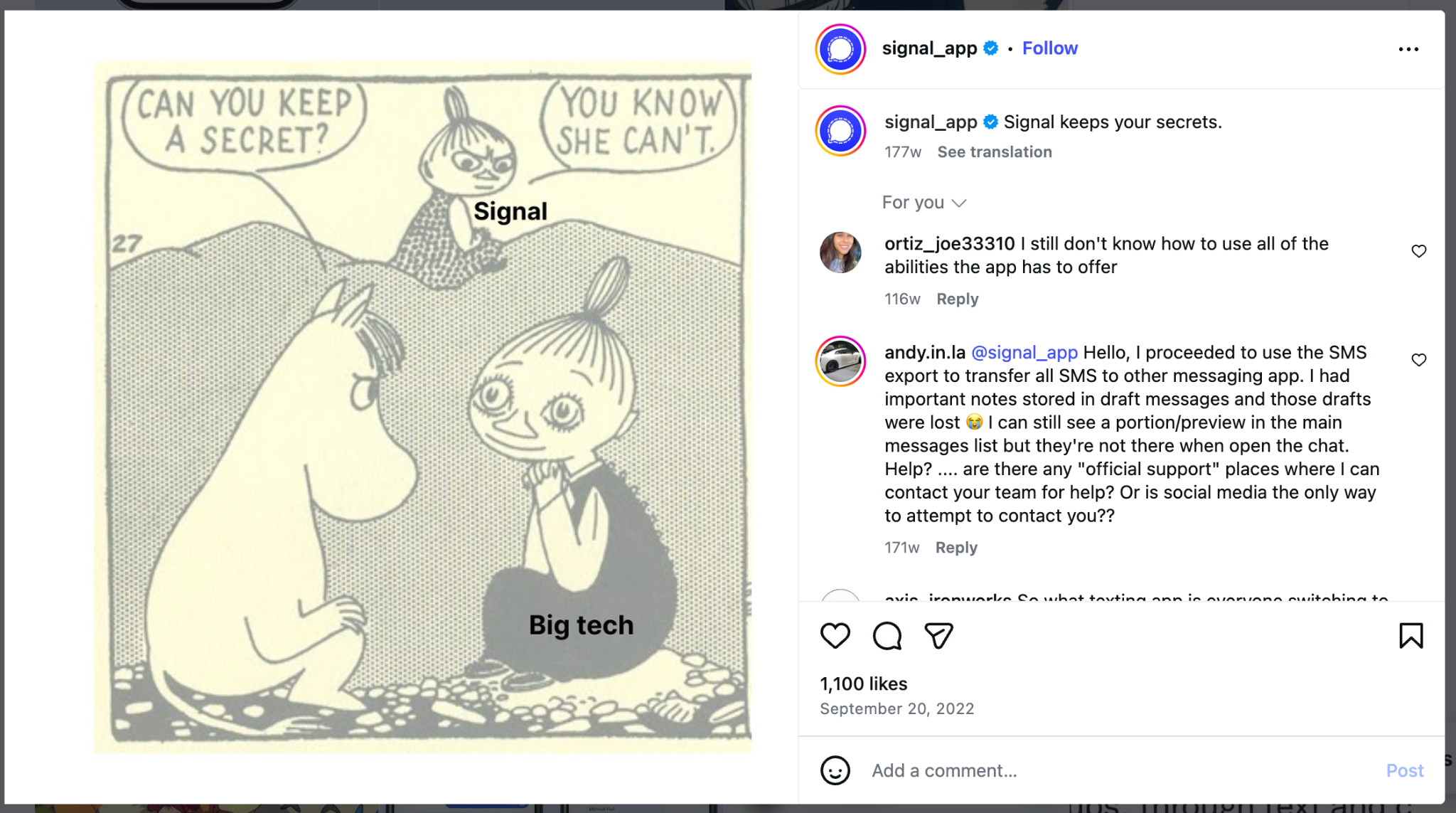
Instagram: Every post on Signal's Instagram tells the same story: Privacy isn’t optional, it’s the way we work.
Category: E-commerce infrastructure
Amazon: Owns marketplace, competes with sellers, controls distribution
Shopify: Merchant-first SaaS platform, doesn’t compete with merchants
Message:
“Build your brand. Own your customers.”
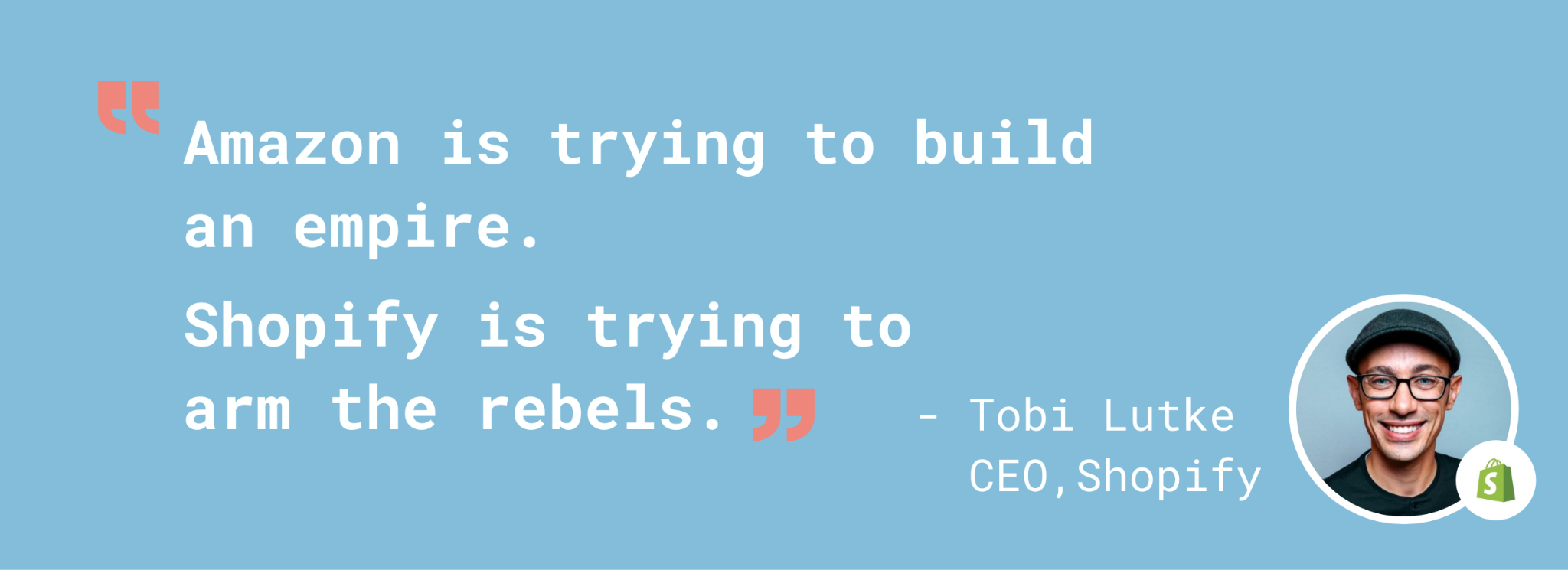
Early positioning: “Arm the Rebels.”
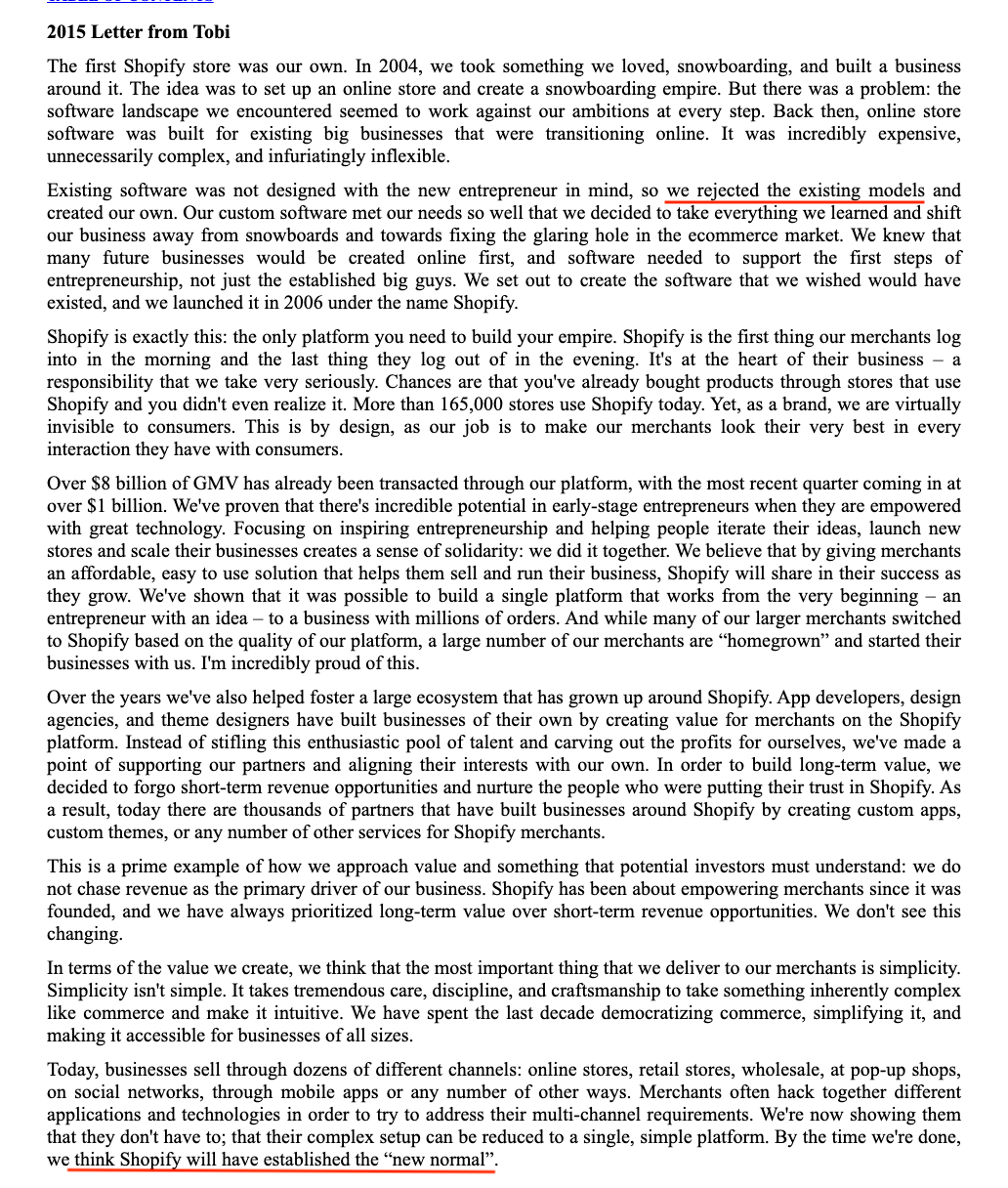
This is the letter itself.
Category: Entertainment distribution
Blockbuster: Per-rental fees
Netflix: Subscription streaming
Message:
“Watch what you want, when you want.”
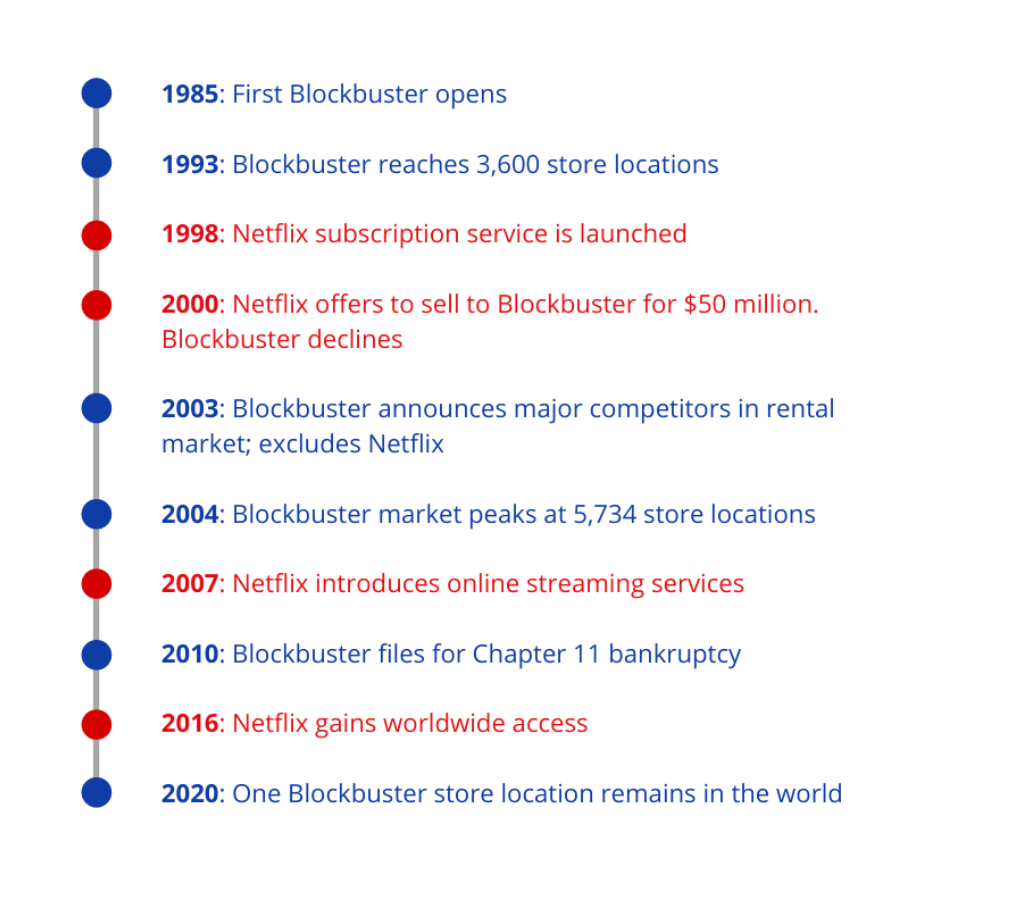
Netflix and Blockbuster made history. In 2000, founders of Netflix wanted to sell their struggling DVD-by-mail startup to Blockbuster for $50 million. But Blockbuster's CEO John Antioco laughed at this offer. We all know how that ended.
Category: Creator monetization
YouTube: Ad-based monetization
Patreon: Direct subscription from fans
Message:
“Get paid by your fans, not advertisers.”
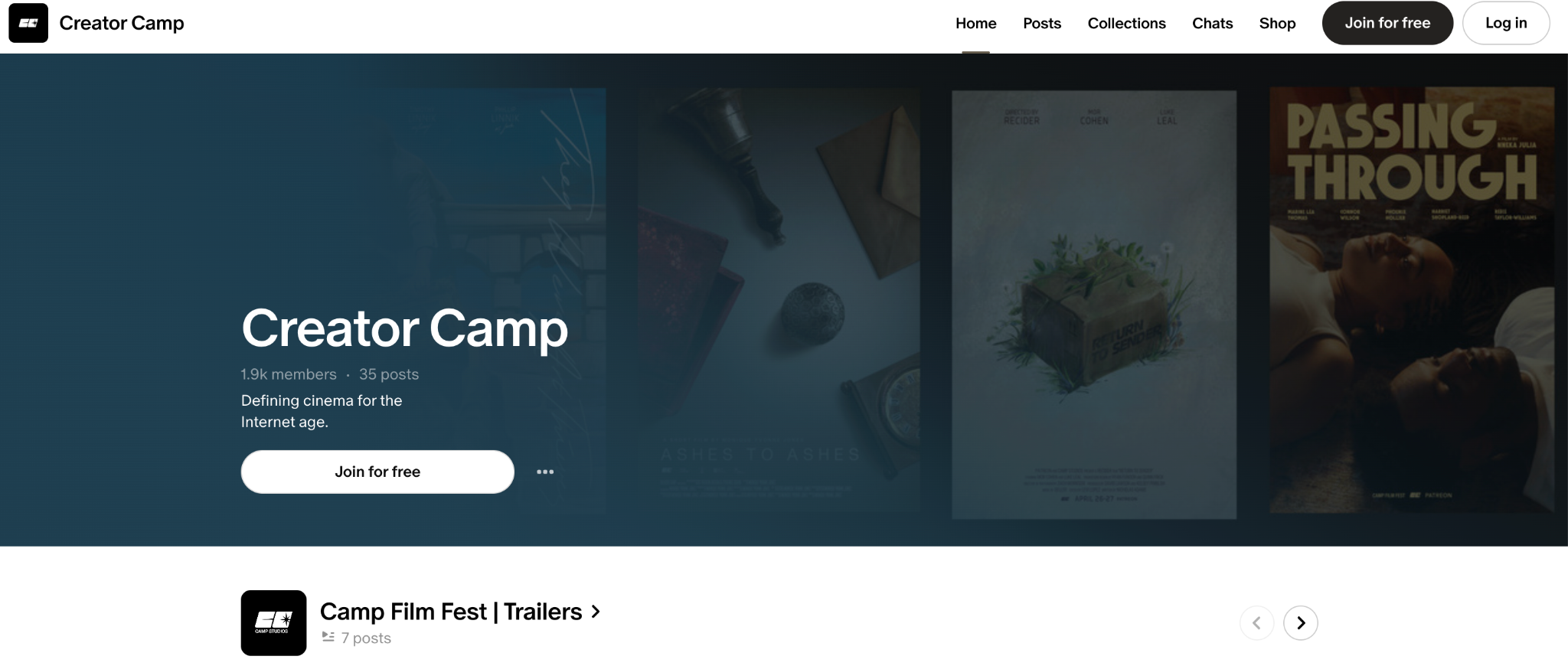
Campaign: Creator spotlight films. A series of short documentaries (like this one) and articles designed to highlight the creative journeys, inspirations, and impact of successful artists on the platform.
Category: Design / Creative services
Traditional agencies: Project-based billing, high overhead (offices, senior layers), utilization-driven economics, scope creep = revenue growth
Superside: Subscription model, distributed global talent, fixed monthly pricing, built for ongoing creative velocity.
Message:
“Built for modern creative teams. Unlike the rest.”
Positioning (New category): “Creative-as-a-Service”
Category: Design software
Adobe: Desktop software, licensed or enterprise subscription, file-based workflows
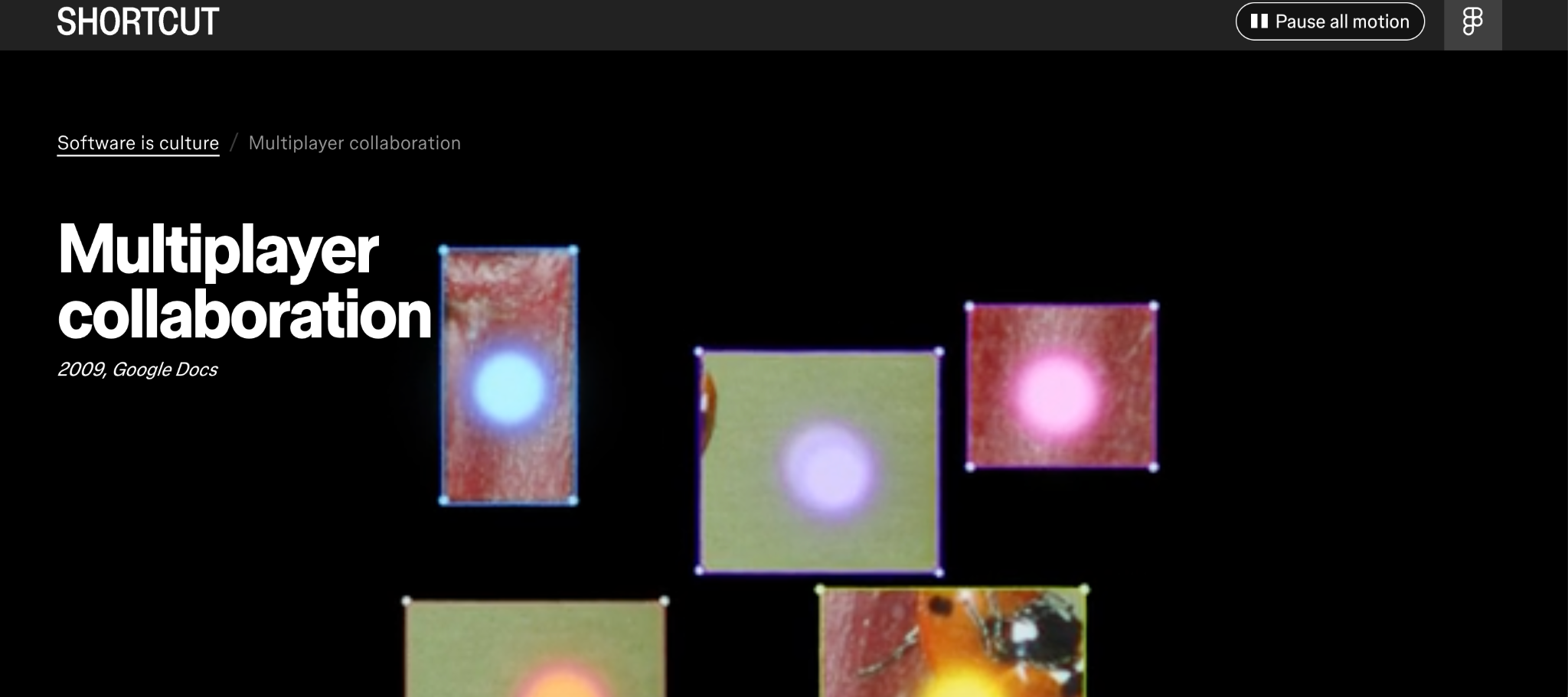
Figma: Browser-native, multiplayer collaboration, freemium growth loop
Message:
“Design together in real time.”
Marketing strategy: Community-led growth (you can read more about it here)
Category: Knowledge/work software
Traditional enterprise tools: Top-down IT adoption, heavy implementation cycles, license contracts
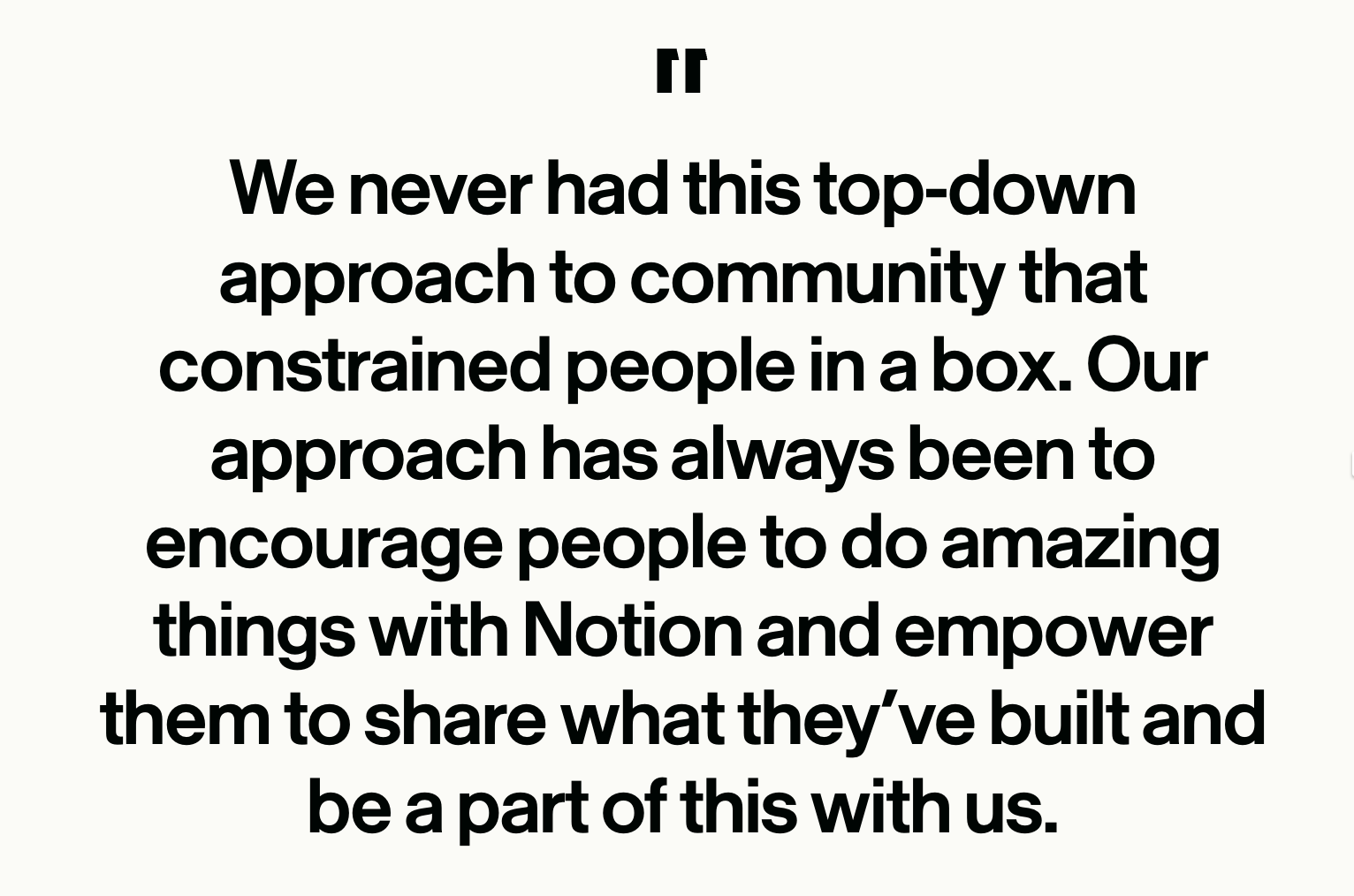
Notion: Bottom-up adoption, freemium, personal productivity entry point
Message:
“Start with yourself.”
Marketing strategy: Community-led growth, influencer marketing (you can read more about it here)
Category: International employment / payroll
Traditional PEOs: Manual processes, country-by-country complexity, heavy compliance overhead
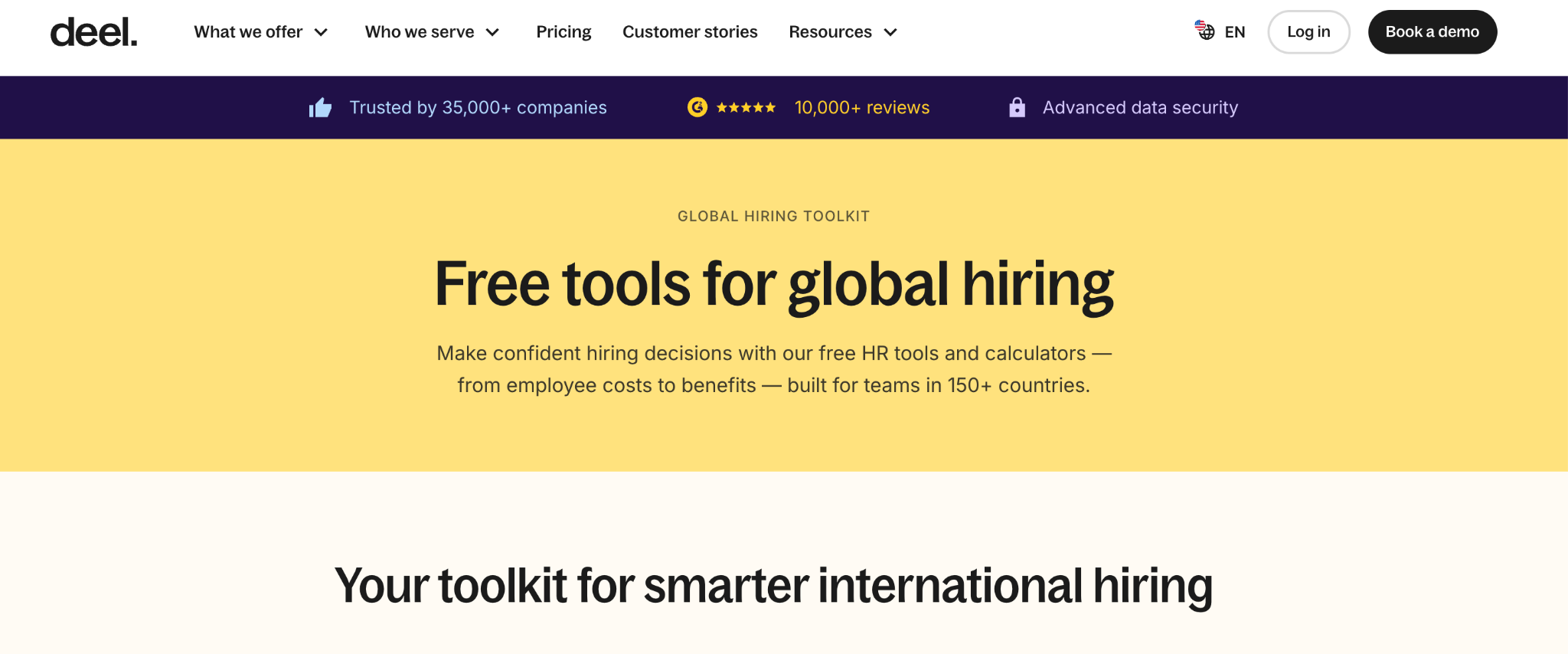
Deel: Global EOR platform, centralized infrastructure, SaaS delivery
Message:
“Hire anyone, anywhere.”
Vertical integration, modularity, acquisition, speed, and automation. Read more about how Deel became a leading company in international payroll.
Category: Design tools
Adobe: Professional suite, skilled user base, complex tooling
Canva: Template-first, mass-market usability
Message:
“Anyone can design”
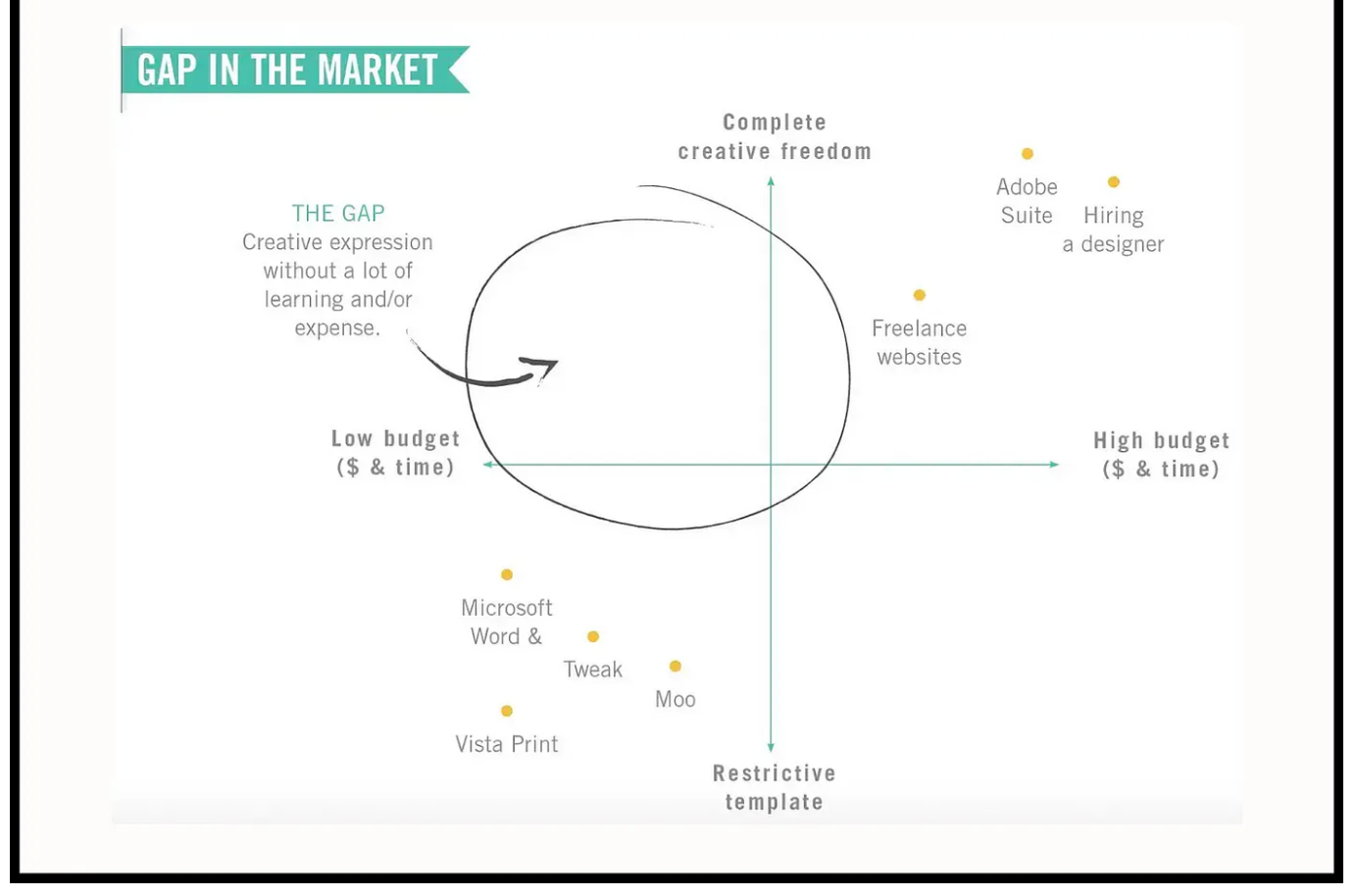
In our Zmist & Copy practice, we had a client with a different business model, compared to design agencies. Because of this model, they are pretty successful in marketing, read the full story on our blog: “How Eleken Generated 20+ Monthly Leads in the First 3 Months of Content Marketing.”
My previous issues on positioning and differentiation:
We’re currently fully booked with positioning projects. These are intensive engagements and we take on no more than two clients per month. If you’d like us to do this for your company, we have two spots available for mid-March to April. Just send me an email.
Kateryna
P.S. If we aren't connected already, follow me on LinkedIn and Instagram. If you like this newsletter, please refer your friends.
P.P.S. Need help with quality content? Zmistify your content with Zmist & Copy


Discover the missing element and know exactly what to do in marketing and sales

Most case studies are just work samples.
Subscribe to From Reads to Leads for real-life stories, marketing wisdom, and career advice delivered to your inbox every Friday.


